An Irregular Sunday Night
I just ran over 4 miles for the first time in my life. It’s 90 degrees outside in July.
Why?
I had five eggs to hatch paired with a lucky egg to get that 2x XP boost.
Some of you know exactly what that means. Some of you just haven’t played Pokémon GO yet.
In case you haven’t heard, Pokémon GO is a mobile game for iOS and Android devices that allows you to catch Pokémon – the same Nintendo pocket monsters that you used to catch on your Game Boy in 1998, or see in movie theaters and on TV, or see on kids throwing cards of across the table.
Oh wait, all those things are still there. The simple fact is that Pokémon has adapted through the times, moving from handheld console to trading cards and all sorts of media and merchandise.
Why is Pokémon GO so different?
Well, for one thing, it prints money:
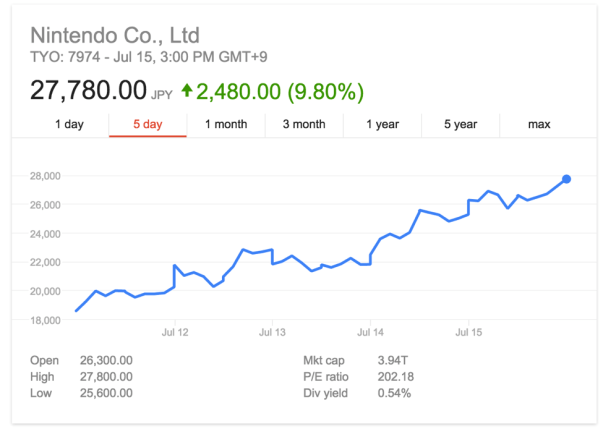
Nintendo’s market value has increased over $9 billion in the FIRST WEEK of Pokémon GO’s release. People of all ages are downloading it and it is now the fastest-growing app of all-time. It’s more popular than Snapchat, Twitter, and Tinder, and it hasn’t even been released worldwide yet (sorry to everybody in Japan).
If you’ve only heard about Pokémon GO on the news, you may have seen something like this come across your screen:

Where did they find a Hitmonchan though?!
If you’ve actually gone about to play it for yourself, you’re more than likely to have actually seen something like this:
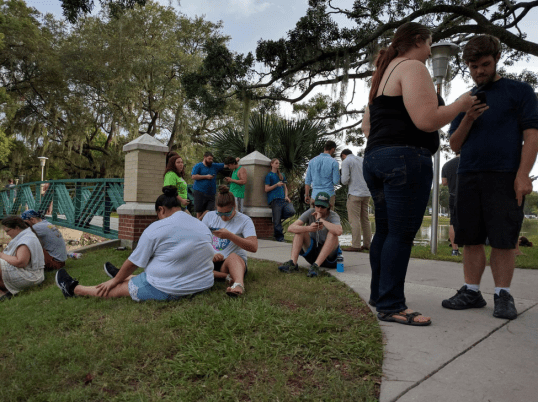
See everybody together on their phones? What’s dangerous about that?
Pokémon GO Has Changed the World
The incredible thing about Pokémon GO is something that isn’t going to grab any headlines or be used as fuel for clickbait. Pokémon GO has, plain and simple, changed the world.
Pokémon GO has come out of nowhere (really, because no one knew when it was actually going to be released until it suddenly appeared in Australia and New Zealand) in a time where the world most needs it. There have been nothing but awful stories of shootings, bombings, terrorist attacks, and our joke of an election so far this summer. Racial tensions are higher than they’ve ever been, people are killing cops, you can’t even go out to a celebration in America anymore without the risk of getting shot at.
Yes, there have been stories of Pokémon GO players finding dead bodies and walking off of cliffs, but none of that is actually caused by the game. This game has taken the world by storm because it brings people together. Not just rhetorically, but in real life:
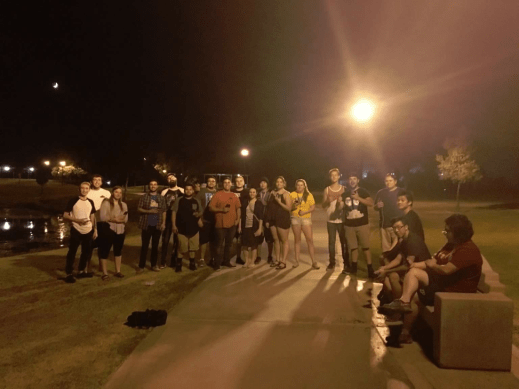
I went downtown with a group of friends last night to see what types of Pokémon we could find, in between stops for great craft brews, of course. What we found was that we actually spent more time out in the real world playing the game and saw that there were hundreds – literally hundreds of people – out on a Saturday night doing the same thing. I talked to dozens of people who were playing it that asked:
- “Where did you see Gastly?”
- “Did you hear about the Blastoise sighting?”
- “You could farm Magikarp and Pidgey there for hours.”
- “If you go out to the park from 1am-2am, you might get a Machamp or a Charizard.”
All this in the context of the game is one thing, but in a community that’s been built from the ground-up in a week’s time is a once-in-a-lifetime occurrence. All over the world, people who would have never met have banded together in teams with the same common goal: Gotta Catch ‘Em All. Hundreds and even thousands of people have joined the hunt and made new relationships doing it.
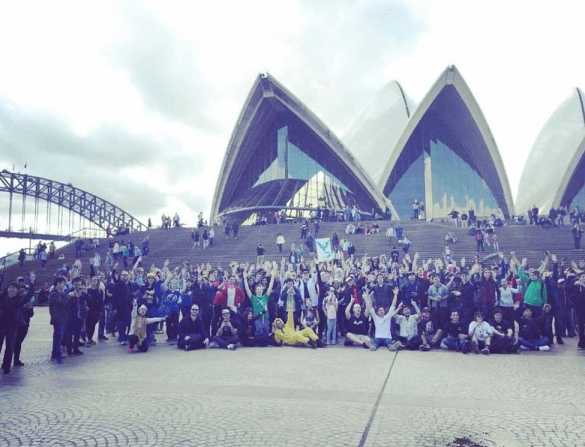
One of the first Pokémon GO meetups in Sydney, Australia.
Pokémon GO was not designed by a marketing department to be a “social” game, but this has been the result of people working together playing it. Pokémon GO is the only game I’ve heard of where you have to physically leave your house in order to play it. Many of the people playing live sedentary lifestyles, and Pokémon GO is helping them live active lifestyles. Some people are coming out of depression and anxiety because of playing the game. For me personally, I never ran over 4 miles at any given time in my entire live. I’ve barely managed three miles even when motivated. I’m on a huge weight-loss trend this year, and I can only see Pokémon GO helping me make further progress if I keep hunting for Pokémon and hatching eggs like I did this weekend.

This is my “happy to have hatched five eggs” face.

Let’s see how I can progress with Pokémon GO.

Worth it.

It’s also great motivation for Fitbit Challenges.
Implications, Successes, and Questions
There has never been anything in our culture that has had the widespread effects that Pokémon GO has had in just a week’s time. People are forming friendships, people are getting active, and businesses are thriving if their locations are PokéStops.
Did you read that last point, skeptics? Pokémon GO is STIMULATING THE ECONOMY. ALL A SMALL BUSINESS HAS TO DO TO INCREASE SALES IS PUT A LURE DOWN AND LET THE TRAINERS ROLL IN! YELP EVEN HAS A FILTER ON ITS WEBSITE FOR IT. Our presidential candidates can’t even make an economic platform that would have half the effect that Pokémon GO has had in one week.

A man can dream.
Being an analytics businessman, I’d be very curious to see actual data behind some of the industries that Pokémon has touched since it launched:
- How has mobile data usage increased? How far are people going over their data limits?
- What types of new customers are small businesses seeing?
- How has fitness tracking activity changed with more people walking in the real world? I know mine was certainly boosted.
- How many Pokémon-related events have businesses sponsored, like this one at Busch Gardens this past weekend?
In terms of Niantec/Pokémon Company/Nintendo-related data, I’m really curious about:
- Overall app downloads, time using app, and revenue generated from in-game purchases
- Team composition between Instinct, Mystic, and Valor player selections
- The furthest that trainers have travelled from their homes in search of a Pokémon
- Most popular Pokémon holding down gyms and used in battle
- Highest density areas of players across the world
The insights that can come from this game for Niantec/Pokémon Company/Nintendo are nearly limitless. Nintendo has a tendency not to capitalize and cannibalize its own products’ success. Hopefully for their sake, I hope they learned a lesson from the recent Amiibo craze in that underestimating the demand for the figures led to incredible shortages – but nonstop sales – until additional production of the figures oversaturated store shelves and demand faltered on account of oversupply. Niantec has indicated that Pokémon GO has plans for the future to replicate the original games with battling, trading, and additional generations of Pokémon. Just imagine if they allowed sponsored PokéStops for small businesses or added content to keep players interested with new features like breeding or an engrossing story.
Nintendo has a golden egg in its hands, and I, in addition to millions of other Pokémon Trainers, look forward to incubating it until it hatches.
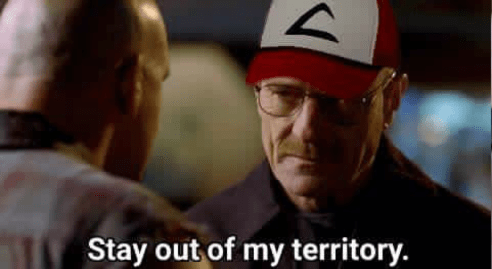
One last thing. If you see me out and about at a gym, be prepared:










 Eliott At Large